
Dogs
2 min read
Why Does My Dog Sleep on My Clothes? Scent, Comfort and Attachment
Clothes carry familiar scent and softness, making laundry an appealing resting place for many dogs.
Browse 66 Virixoo dog behavior guides, organized to help you move between closely related questions.
Clothes carry familiar scent and softness, making laundry an appealing resting place for many dogs.
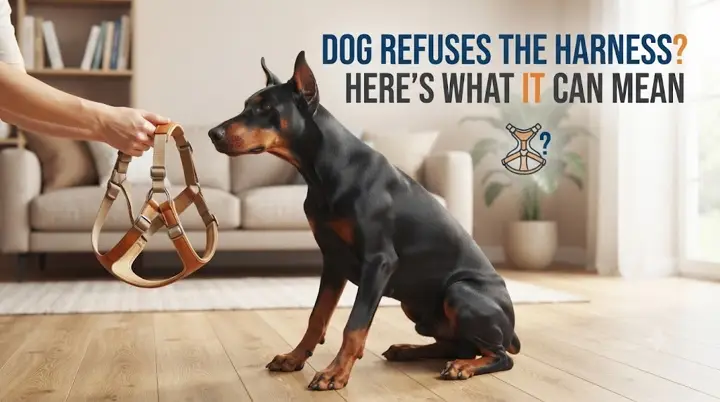
How to tell whether a dog that avoids a harness is reacting to poor fit, painful handling, fear, or a learned association, and how to rebuild coope...

Sighing is often a normal part of settling and relaxation, but repeated sighing with breathing effort, coughing, pain, or lethargy deserves attention.
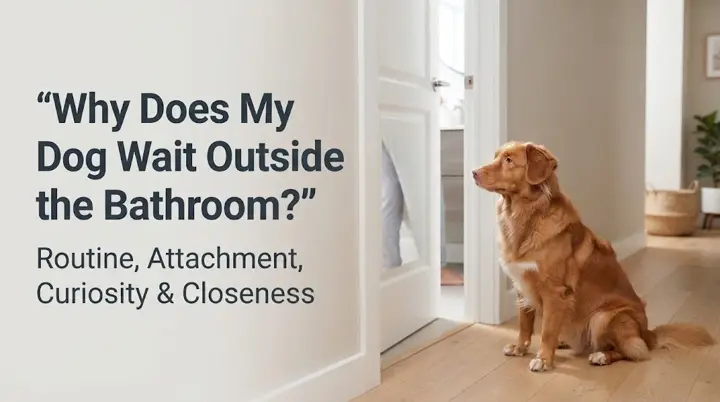
Waiting outside the bathroom is usually a routine or proximity behavior. Learn how attachment, curiosity, expectations, and separation distress dif...
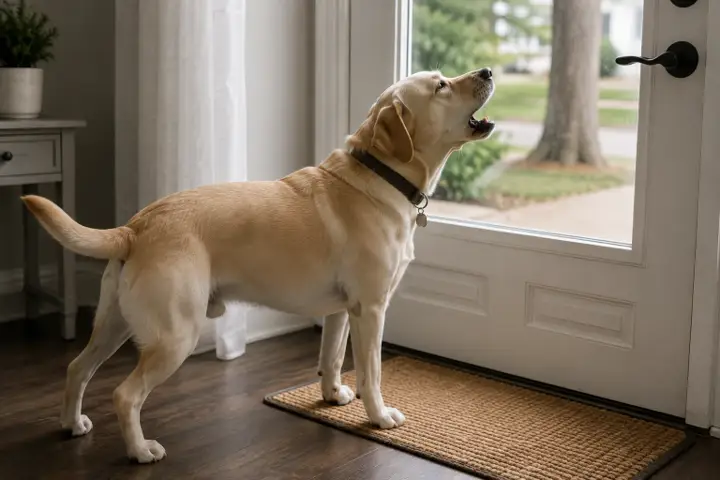
Pawing can be a learned way to ask for attention, food, play, access, or reassurance. Context and reinforcement shape how often it occurs.

Bringing toys is often a social invitation, learned attention-seeking behavior, or a way for a dog to share an exciting object.
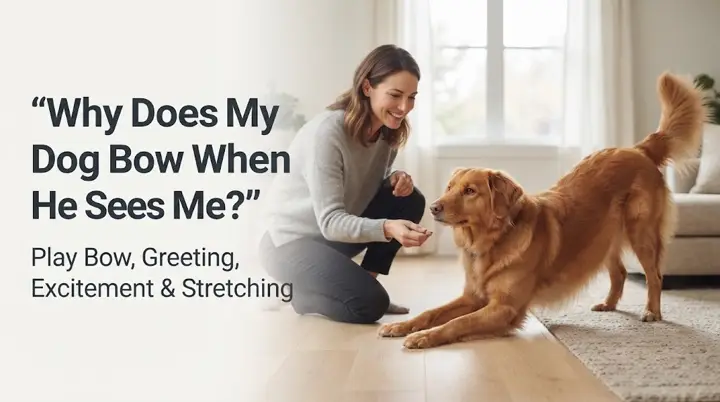
A bow when your dog sees you is commonly a play invitation or excited greeting. Body language and what happens next help distinguish a play bow fro...
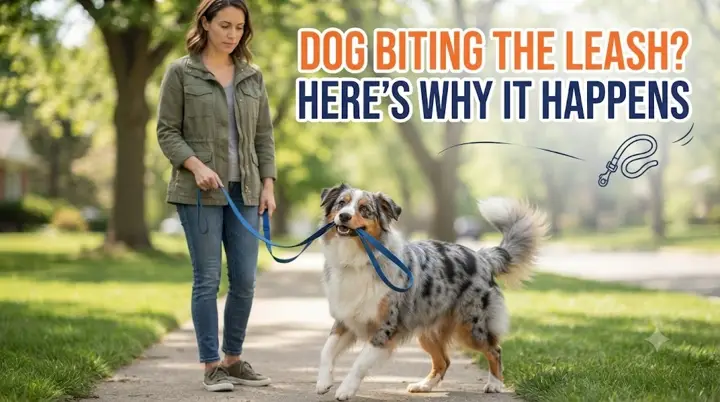
Learn why dogs grab or bite the leash during walks, which triggers commonly cause it, and how to teach a safer replacement behavior without turning...

A dog may avoid a metal bowl because of noise, reflections, movement, collar-tag contact, location, or pain that coincidentally makes eating uncomf...

A tucked tail often communicates fear or uncertainty, but a new persistent change can also signal pain or illness. Learn how context and body langu...

Rolling onto the back can mean relaxation, play, a request for interaction, or an attempt to reduce social pressure. Body language determines the m...

Sleeping under the bed can provide darkness, quiet and security, but a sudden new hiding habit can also reflect fear, pain, or illness[cite: 18].

Looking back at an owner during meals can reflect social referencing, habit, uncertainty, resource concerns, or anticipation of interaction.
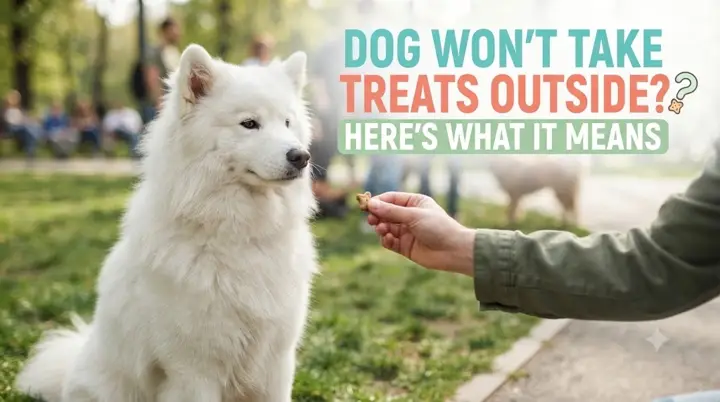
Why a dog may refuse treats outdoors and how food refusal can reveal stress, distraction, fear, nausea, or a training environment that is too diffi...
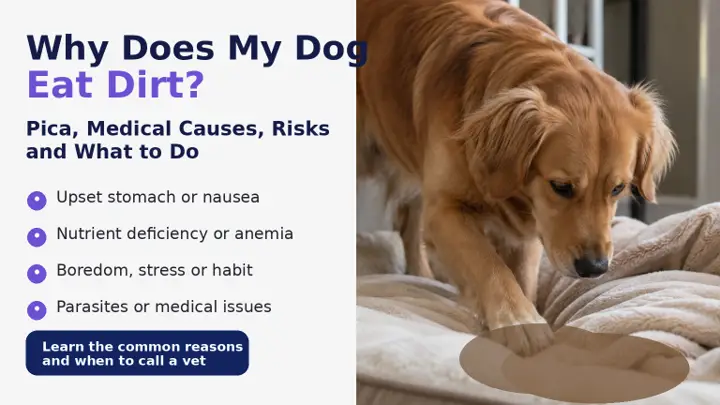
Learn why dogs eat dirt, when pica may signal a medical or behavioral problem, the risks of soil ingestion, and practical ways to stop the habit sa...
Hiding treats can be normal caching behavior, especially when a dog is not hungry, values the item highly, or prefers to save it for later.

Avoiding tile can follow a slip, reduced traction, nail or paw pain, joint weakness, vision changes, or fear learned from a previous fall.

Understand why dogs paw, splash, or dig in a water bowl, how play, heat, stress, and the bowl setup can contribute, and when a change in thirst nee...