If a cat suddenly avoids turning its head to one side, assume discomfort or reduced mobility until proven otherwise. The cause may be in the neck muscles or spine, the ear, the jaw, the shoulder region, or the nervous system. The important distinction is whether the cat simply prefers one direction or physically resists moving through part of its normal range.
Quick Answer
Do not force the head to turn. Watch how the cat follows food, sounds, and movement naturally. Note head tilt, ear scratching, balance problems, pain when lowering the head, recent trauma, or changes in walking. A persistent new one-sided restriction should be examined. Seek urgent care after major trauma or if it is accompanied by severe weakness, falling, inability to stand, abnormal eye movements, seizures, or breathing difficulty.
Neck Muscle Strain
An awkward landing, rough play, slipping, or sudden twisting can strain neck muscles. The cat may hold the head stiffly, turn the whole body instead of the neck, or resist reaching toward one side. Mild strains and more serious spinal problems can look similar early, so pain after trauma deserves caution.
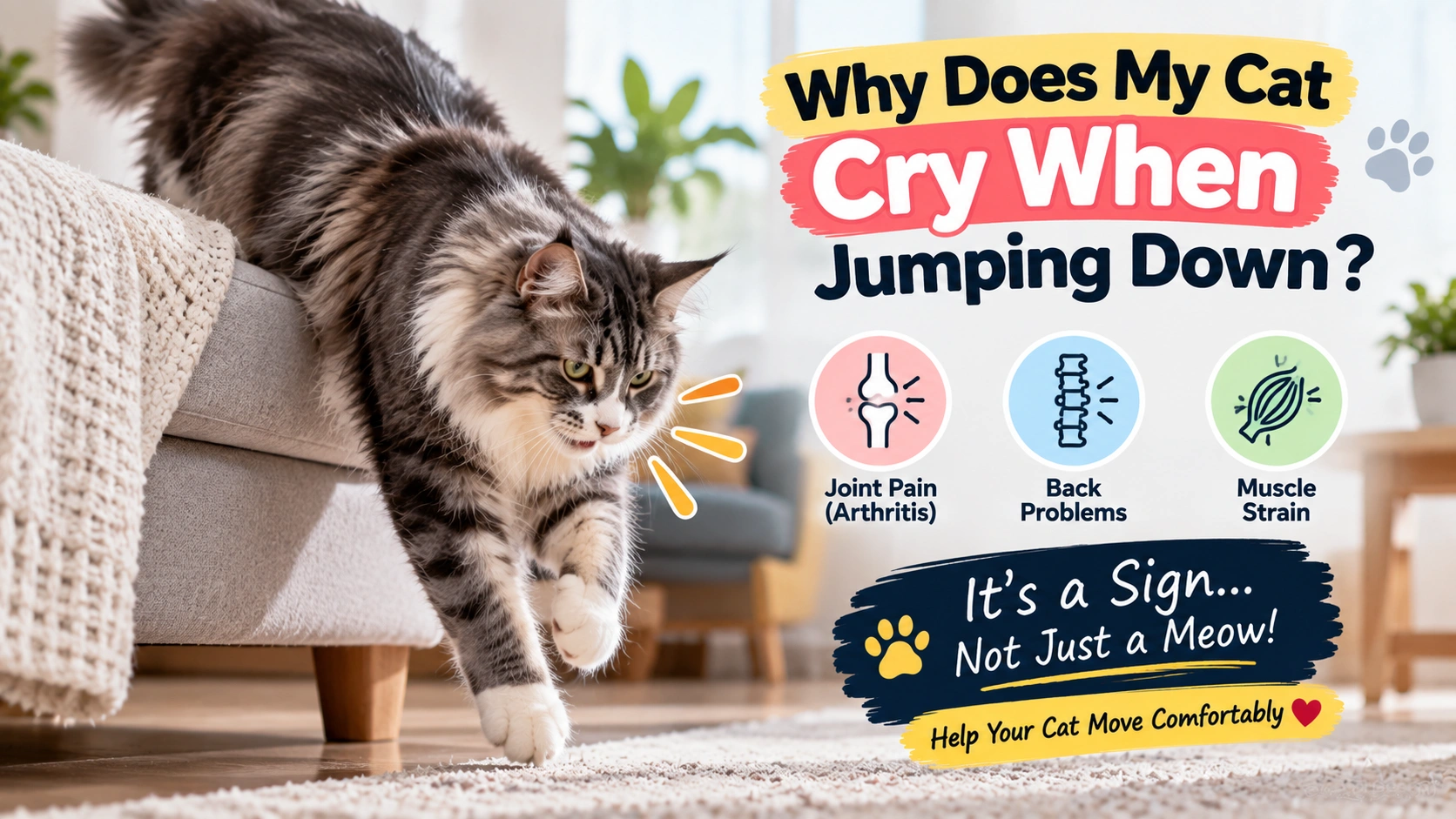
Neck and Spinal Pain
Pain arising from the cervical spine can limit head movement and sometimes alter front-limb movement as well. Affected cats may crouch, keep the head low, avoid jumping, or cry when picked up. Do not press along the neck or manipulate it to locate the painful level.
Ear Disease Can Change Head Movement
A painful ear can make a cat reluctant to rotate or lower the head. External ear inflammation may cause scratching, odor, discharge, or redness. Middle- and inner-ear disease can also cause head tilt, balance loss, nausea, or abnormal eye movements.
If the head is persistently tilted rather than simply stiff, see Cat’s Head Tilted to One Side.
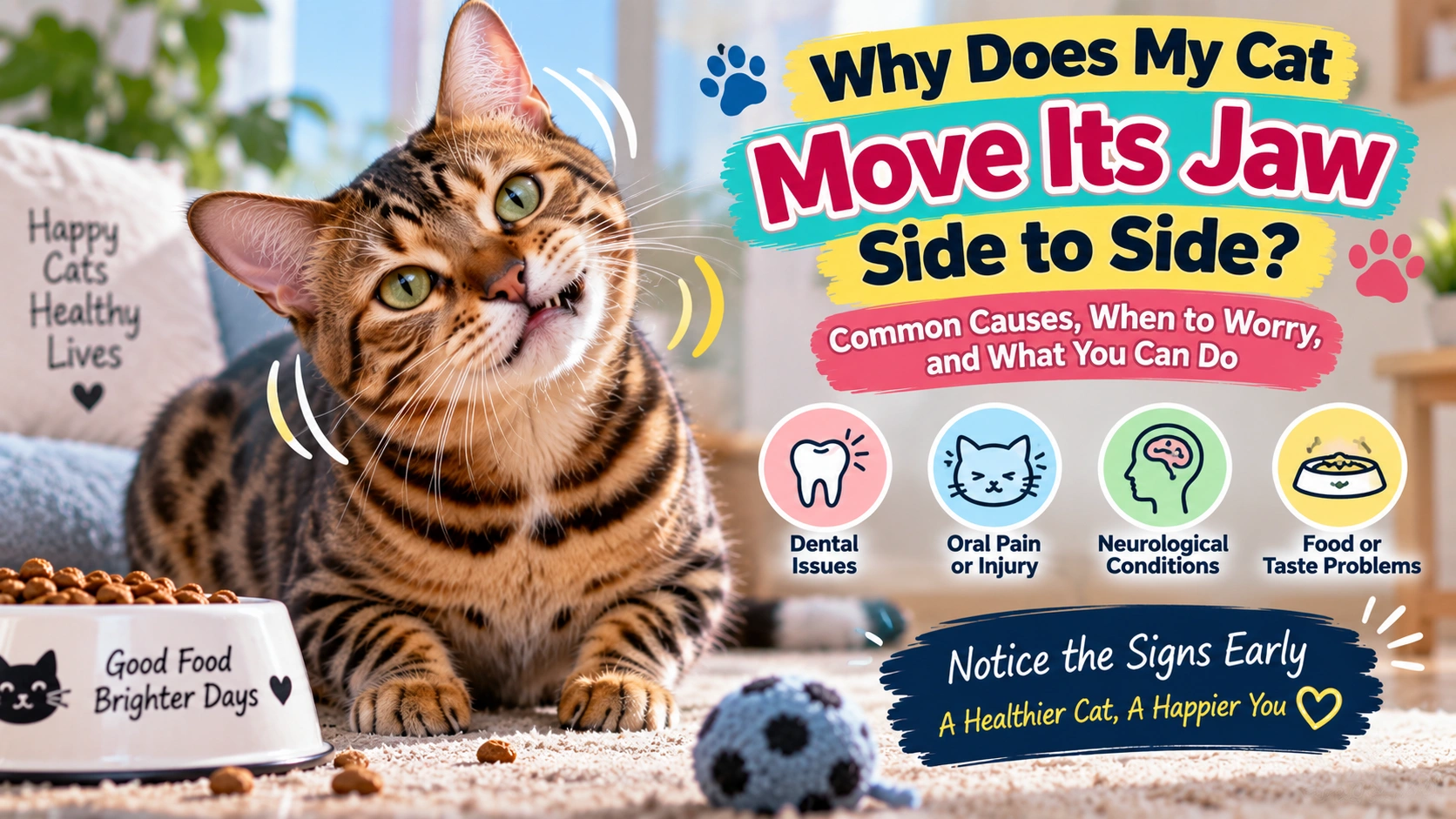
Jaw or Oral Pain
Chewing pain can make the cat hold the head or jaw differently. Dental disease, tooth resorption, oral inflammation, or a jaw problem may be more obvious at meals. Watch for food dropping, one-sided chewing, drooling, or bad breath.
Shoulder or Forelimb Pain
Because neck and shoulder movement are linked, pain in one front limb may make turning toward that side uncomfortable. Limping may be subtle. Observe whether the cat places both front paws evenly and whether climbing or jumping has changed.
Neurologic Signs Change the Urgency
A simple stiff neck is different from a cat that circles, falls, develops unequal pupils, has rapid involuntary eye movements, becomes disoriented, or cannot coordinate the limbs. Those findings suggest vestibular or neurologic disease and justify faster evaluation.
How to Observe Without Testing the Neck
- Watch whether the cat follows a moving object with the eyes only or turns the head.
- Notice whether the whole body rotates instead of the neck.
- Look for one ear being scratched or held differently.
- Watch eating, drinking, grooming, jumping, and litter-box entry.
- Record a short video from the front and side.
What Not to Do
- Do not stretch or rotate the neck manually.
- Do not massage a painful neck aggressively.
- Do not use human pain medication.
- Do not clean a painful ear with peroxide, vinegar, or leftover drops.
When to Seek Care
| Finding | Response |
|---|---|
| Mild brief stiffness after sleep, rapidly returns to normal | Observe closely |
| Persistent one-sided restriction or repeated pain | Veterinary appointment |
| Ear pain, marked limp, poor appetite, obvious trauma | Prompt assessment |
| Falling, seizures, severe weakness, inability to stand, major trauma | Emergency care |
What the Veterinarian May Check
The examination may include the ears, jaw, neck, shoulders, front limbs, spine, and neurologic function. Ear disease may require otoscopy and sampling. Neck pain after trauma may lead to imaging. Neurologic findings can require a more extensive workup.
Bottom Line
A sudden reluctance to turn the head one way is a useful localization clue. Avoid forcing motion and watch the cat move naturally. Persistent restriction is more likely to reflect pain or disease than stubbornness, especially when ear, gait, or neurologic signs appear at the same time.