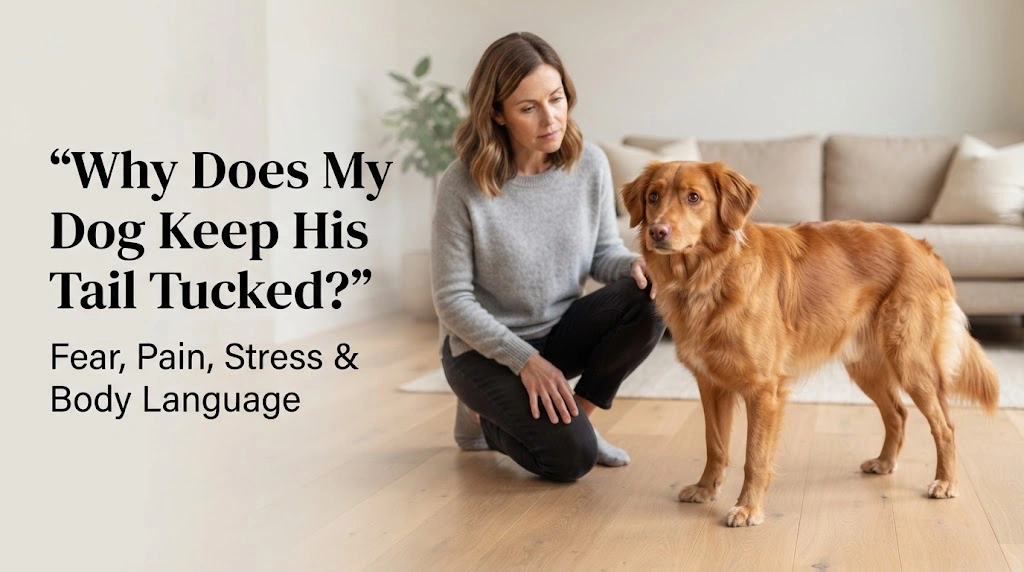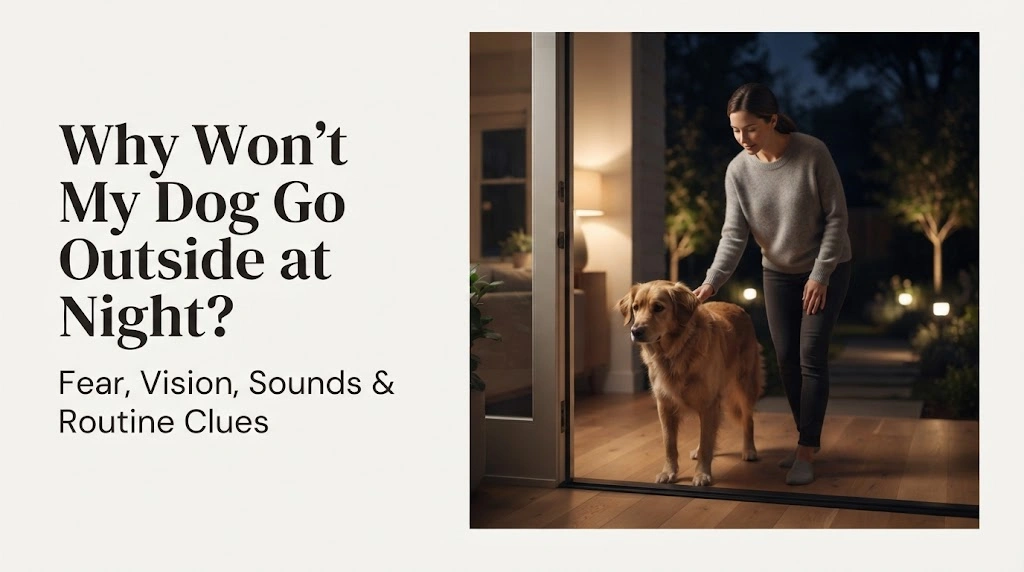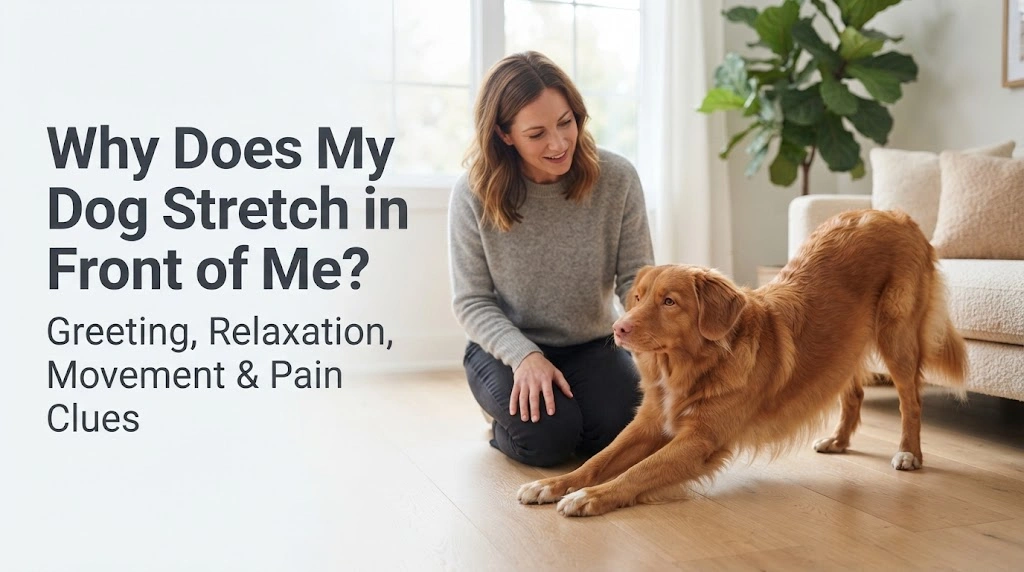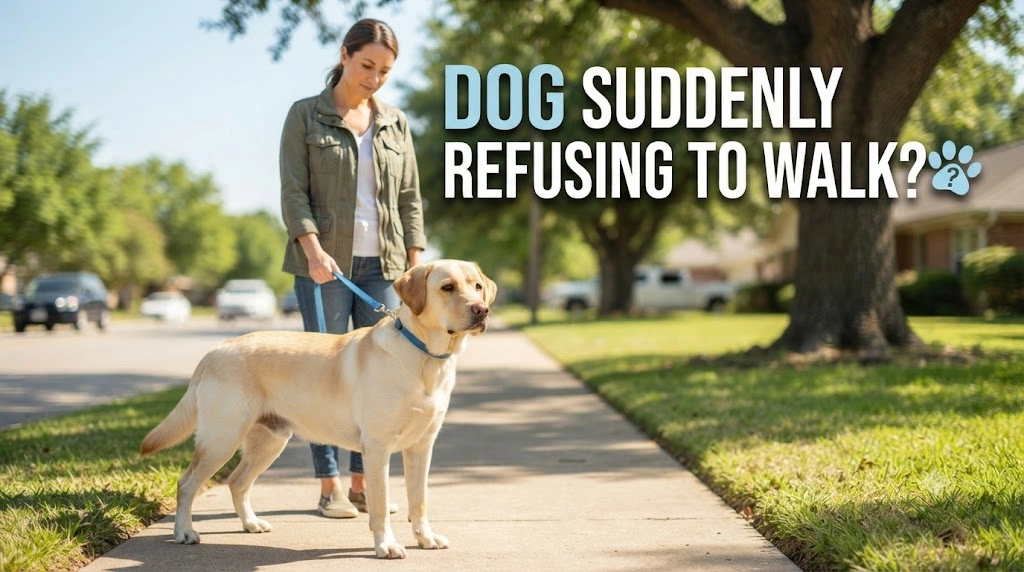
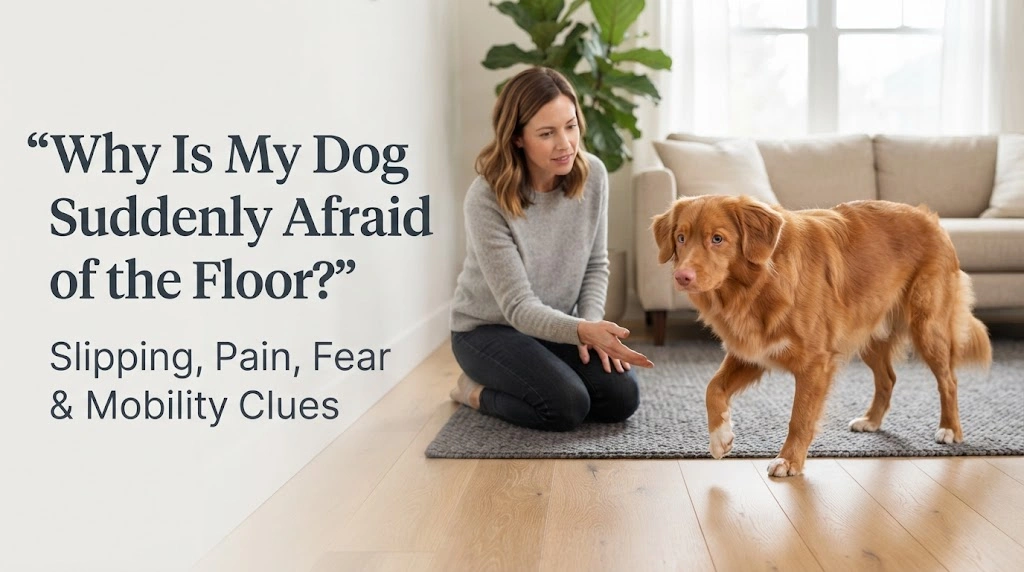
When a dog suddenly refuses to cross tile, laminate, or another familiar floor, the surface itself may not be the whole problem. A recent slip can create a strong fear association, while pain, weak footing, long nails, or reduced vision can make a previously manageable surface feel unsafe.
Quick Answer
Start by making the route safer rather than pulling the dog across it. Add non-slip runners or mats, check nail and paw condition, and watch how the dog moves on carpet and outdoors. A sudden change that persists or appears with stiffness, limping, weakness, or vision problems warrants veterinary assessment.
A single slip can change confidence
Dogs learn quickly from frightening events. After losing footing, some approach the same surface slowly, freeze at the edge, spread their legs, or search for a carpeted route.
Traction problems
Smooth floors provide less grip, especially for dogs with overgrown nails, excess fur between paw pads, wet paws, or age-related weakness. Improving traction can reduce both fear and risk of another fall.
Pain and mobility
Arthritis, back pain, muscle injury, or neurologic weakness can first become obvious on slippery surfaces because they demand more balance and limb control. Difficulty rising, using stairs, jumping, or turning adds weight to a physical cause.
Vision and lighting
Glare, reflections, shadows, and poor contrast may become difficult for dogs with impaired vision. Notice whether hesitation is worse in dim light or around shiny transitions between surfaces.
Rebuild confidence gradually
Create a continuous non-slip path and allow voluntary movement. Reward small approaches and calm steps. Do not drag the dog by the collar or repeatedly force crossings, because another frightening experience can strengthen avoidance.
When to seek help
Arrange a veterinary exam for sudden persistent floor avoidance, especially in an older dog or when pain, weakness, falling, head tilt, abnormal eye appearance, or other mobility changes are present.